


Though the murders occurred over a century ago, Parallax treated the victims as though they had cried out only yesterday. In the blood-soaked alleys of Whitechapel, he studied the case with meticulous care, placing himself in the killer’s shoes, analyzing every detail.
“The ‘Dear Boss’ letter is a forgery,” he remarked. “As are most of the letters the public believes were from the killer.”
From his original ten theories, seven had already been eliminated. The infamous From Hell letter was examined like a living specimen. “Not a madman,” he observed, “but a message.”
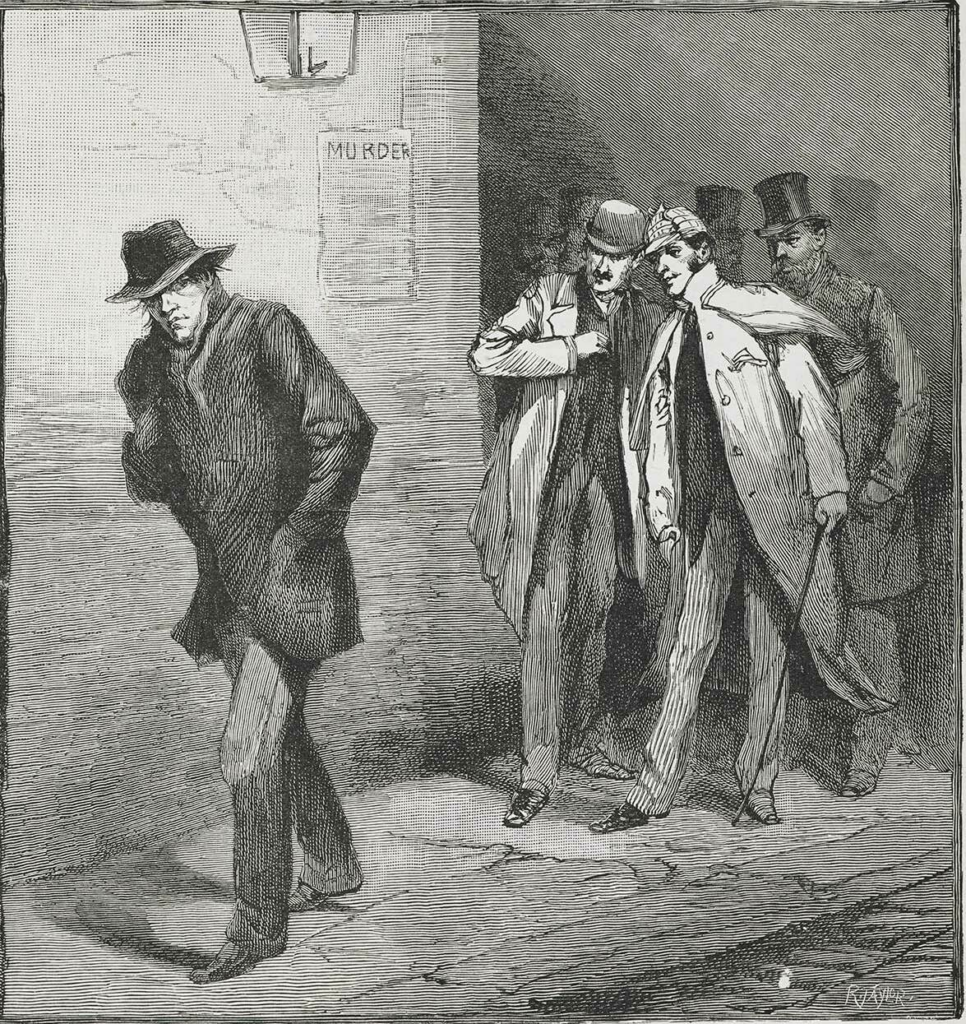
Patterns in the killings began to emerge: surgical precision, a distinct anatomical signature. Among the three most prominent suspects: Montague John Druitt, Michael Ostrog, and Aaron Kosminski, Parallax began to narrow the field.
“Druitt is not Jack the Ripper,” he concluded. “Though he took his own life after the last murder, he lacked medical knowledge, sophistication, and the necessary motive.”
Ostrog, while violent, failed to display the killer’s intelligence or methodical planning, ruling him out. That left only Kosminski, a barber who died in the Colney Hatch Asylum a year after the Ripper’s disappearance. Kosminski exhibited delusional and violent tendencies, along with documented misogyny, making him the most likely candidate.
Parallax briefly considered an improbable theory: the nurse who cared for Kosminski at the asylum. Using deductive reasoning, however, he ultimately ruled her out while confirming that Kosminski himself was Jack the Ripper.













