


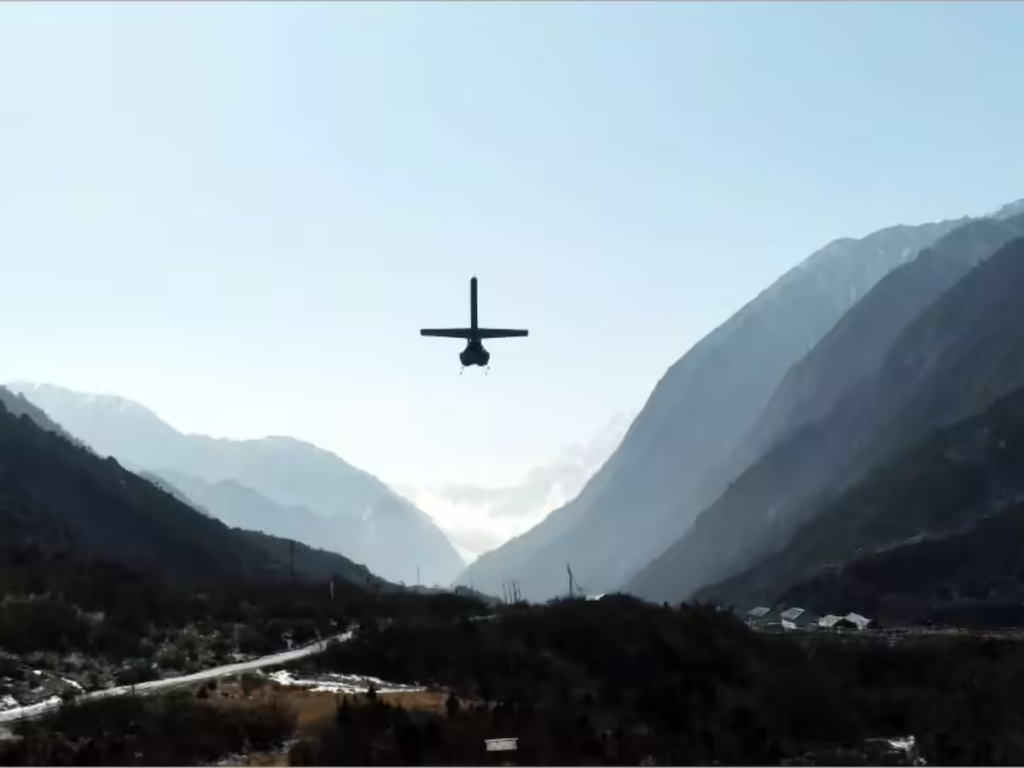
The Indian Army is moving quickly to bulk up its inventory of home-grown unmanned aerial systems following lessons learned in recent operations such as Op Sindoor. Multiple defence-industry reports say New Delhi’s services have placed multi-thousand-crore-rupee orders for indigenous UAVs that span loitering-munition (“kamikaze”) attack systems through to persistent ISR platforms — all specifically engineered and cleared to operate in degraded electronic warfare environments (heavy jamming and GPS/comm spoofing).
Sources in the Indian defence press say procurement specifications now demand robust anti-jamming navigation (multi-sensor navigation, encrypted datalinks, and alternate guidance modes), hardened airframes for contested-environment survivability, and a strict ban on certain foreign (notably Chinese) subsystem components for security reasons. That has accelerated award timelines for established domestic vendors and created fast-track acquisition lines for “Make in India” drone builders.
Why this matters: the procurement push signals a doctrinal shift toward distributed, low-cost lethality and battlefield autonomy. Indigenous production reduces strategic supply-chain risk, while hardened navigation and anti-spoofing capability materially raise the bar for adversary electronic warfare to deny or degrade Indian ISR and strike assets. Faster fielding of loitering munitions and tactical ISR also changes how security planners model the battlespace in border and counter-insurgency scenarios.













