The United Nations General Assembly (UNGA) has officially adopted a historic resolution for the establishment of an “International Day of Opposing Colonialism in All Its Forms, Past and Present.” The resolution, introduced this session, marks a global effort to acknowledge colonial legacies and promote awareness, reparative justice, and historical reckoning.
Who Supported, Who Opposed, and Who Abstained:
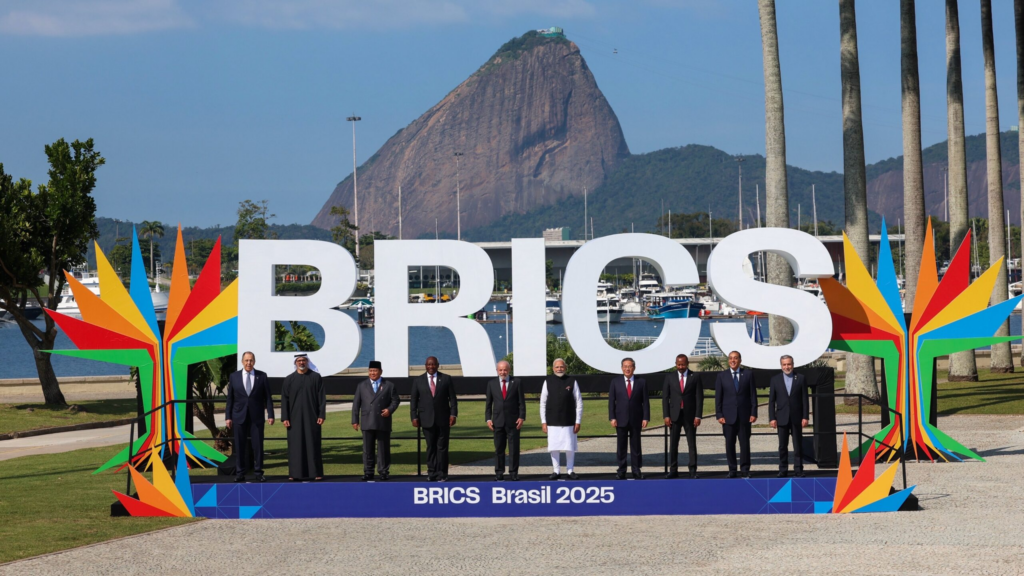
- Supported: Countries in the BRICS bloc, including India, voted in favor.
- Opposed: The United States and Israel cast the only “no” votes.
- Abstained: Most of Europe (except Russia), as well as Canada, Australia, New Zealand; in Asia, Japan, South Korea, and Armenia also abstained.
Proponents of the resolution described it as a long‑overdue symbolic victory, arguing that the “International Day” will provide a platform for former colonies — especially in Africa, Asia, and Latin America — to reflect on the struggles of colonized populations, preserve historical memory, and galvanize support for reparative policies.
Critics, however, framed the resolution as divisive, arguing that it risks rekindling old geopolitical tensions. The timing — amid rising global debate around historical accountability — has drawn both applause and scrutiny.
As the resolution becomes official, UN member states are expected to observe the new “International Day Against Colonialism” annually, with events, educational initiatives, and commemorations led by both governments and civil‑society organizations.
The passage of the resolution highlights a shifting global balance, with post‑colonial and emerging powers asserting new moral leverage at the UN stage.